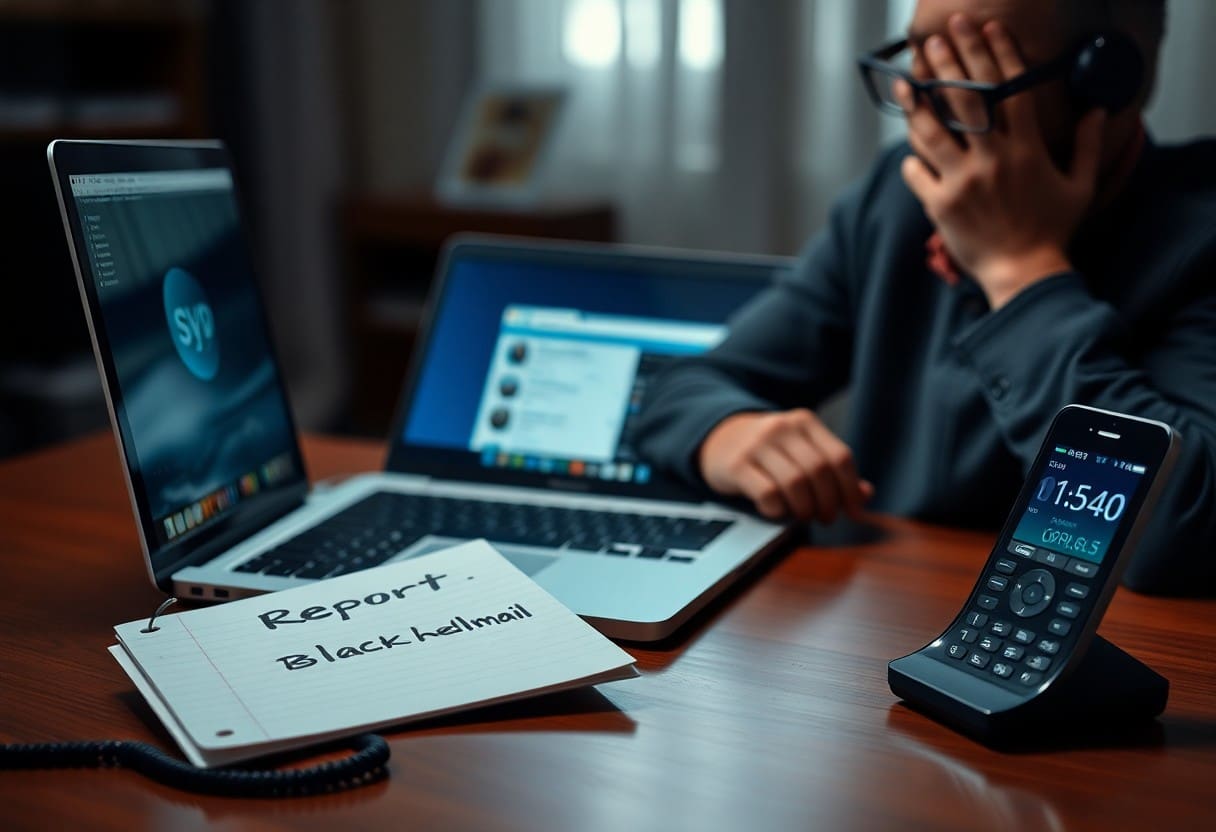
Blackmail can leave you feeling vulnerable and frightened, especially when it happens on platforms like Skype. If you find yourself facing such a distressing situation, it’s imperative to take immediate steps to protect yourself. This guide will provide you with expert tips on how to effectively report blackmail incidents, ensuring that your voice is heard and your safety is prioritized. For additional assistance, check out Help! I’m Being Blackmailed | How to Deal With Online … to gain further insights into handling this alarming threat.
Key Takeaways:
- Recognize the signs of blackmail on Skype, such as unsolicited requests for money or sensitive information.
- Document all communication and evidence related to the blackmail, including screenshots and chat logs.
- Utilize the reporting tools provided by Skype to alert the platform about the situation.
- Contact local law enforcement authorities as blackmail is a criminal offense.
- Consider seeking legal advice to understand your rights and the steps you can take against the blackmailer.
- Look into options for securing your account, such as changing passwords and enabling two-factor authentication.
- Reach out to trusted friends or family for support and guidance during this challenging time.
Understanding Blackmail on Skype
For anyone using Skype, understanding the nature of blackmail is vital for protecting yourself. It involves coercing an individual into providing sensitive information or engaging in specific actions by threatening to disclose damaging information or images. Blackmailers often prey on users’ fears, using their online presence against them.
Definition of Blackmail
One common definition of blackmail is the act of obtaining money, goods, or favors from someone by threatening to reveal compromising information. This form of extortion can occur in various environments, and on Skype, it often involves manipulation through digital communication.
Common Signs of Blackmail on Skype
Skype users should be vigilant for signs of blackmail. You might notice sudden changes in communication, with a blackmailer soliciting sensitive information or demanding payments under threat of exposure. Additionally, if you encounter unsolicited explicit content or requests for personal images, it’s a significant red flag.
With such tactics, blackmailers may also employ emotional manipulation, creating a sense of urgency or fear. You may receive messages that escalate from casual conversations into coercive demands, often utilizing a threatening tone or mentioning the sharing of private materials. If these signs appear, it’s vital to take immediate action.
Psychological Impact of Blackmail
Common experiences related to blackmail on platforms like Skype can include feelings of fear, anxiety, and shame. Being targeted can make you feel vulnerable and isolated, impacting your mental well-being. It’s important to recognize that these feelings are valid and that seeking support is vital.
Understanding the psychological ramifications of blackmail can help you reclaim your sense of control. You are not alone, and many others face similar challenges. The feelings of worthlessness or fear of social repercussions are more significant than the actions of the blackmailer. Acknowledging this can empower you to take strategic steps toward resolution and recovery.
Immediate Actions to Take
One of the first steps to take when facing blackmail on Skype is to Skype Blackmail – What You Need To Do?. It’s important that you stay composed and evaluate the situation thoroughly. Understand what information or threat the blackmailer has against you, and reflect on whether they possess anything that can truly harm you. This assessment can help you determine your next steps effectively.
Remain Calm and Assess the Situation
Take a moment to gather your thoughts and assess the entirety of the situation. Panic can cloud your judgment, so it’s vital to approach this matter with a clear mind. Identifying the level of threat can assist you in deciding the appropriate action.
Document All Interactions
If you have received any messages, screenshots, or evidence related to the blackmail, make sure to keep comprehensive records of all interactions. This documentation will be invaluable when reporting the blackmail to authorities.
Document everything, including dates, times, and the nature of the communication. Take screenshots of the blackmailer’s messages and any threats they may have made. This detailed evidence will support your case if you decide to report it to law enforcement or seek legal counsel.
Avoid Engaging with the Blackmailer
With each interaction, you may be tempted to respond to the blackmailer. However, it is imperative that you do not engage or negotiate with them. Any response could potentially escalate the situation.
The blackmailer often seeks to manipulate and intimidate you. Engaging with them can reveal more personal information or give them the feeling of control. Instead, focus on collecting evidence and considering your next steps without giving in to their demands.
Reporting Blackmail on Skype
All users must take immediate action if they find themselves facing blackmail on Skype. Reporting the incident effectively can help protect you and may lead to the identification of the perpetrator.
How to Report Directly to Skype
Clearly, if you encounter blackmail on Skype, you should report it directly to the platform. You can do this by clicking on the user’s profile, selecting ‘Report’, and choosing the appropriate reason for your complaint. Providing as much information as possible will aid in the investigation.
Using the Skype Support Page
Some users may prefer seeking help through the Skype Support Page, where you can find various resources and guidance on reporting incidents. This is a comprehensive way to address your concerns and find detailed support.
Skype offers a dedicated section for reporting issues, including blackmail. By visiting the Skype Support Page, you can access articles that outline the process of reporting and receive answers to frequently asked questions. This ensures you follow the correct procedures and enhance the likelihood of your report being addressed swiftly.
Understanding Skype’s Privacy Policies
Skype values your privacy and safety. It’s important to know how your information is protected and how to leverage these policies when reporting blackmail. Familiarizing yourself with these guidelines is beneficial for your peace of mind.
A thorough understanding of Skype’s privacy policies can empower you as a user. These policies outline what personal information is collected, how it is used, and the measures in place to protect your data. Knowledge of these aspects not only reassures you but also assists you in presenting your case when reporting blackmail, ensuring that your complaint is taken seriously and acted upon adequately.
Involving Authorities
Despite the discomfort that may arise when dealing with blackmail, it is crucial to take the situation seriously and involve the appropriate authorities. Reporting the issue can not only lead to potential legal action against the perpetrator but also help you secure protection and support during a challenging time.
When to Contact Local Law Enforcement
Some situations require immediate action, especially if you feel threatened or believe that your safety is at risk. Contact local law enforcement if the blackmail involves explicit threats or if the blackmailer’s demands escalate to a level that causes you distress.
Information to Provide to Authorities
Involving law enforcement is an important step, and it is vital to provide them with as much relevant information as possible.
Authorities typically require details such as the identity of the blackmailer, any documented communication (like messages or screenshots), and information on the threats or demands made against you. Be prepared to explain your relationship with the blackmailer and any prior interactions that led to the current situation. Your thoroughness can aid their investigation.
Protecting Your Personal Information
If you are facing blackmail, it is crucial to consider how to protect your personal information effectively. Keep sensitive details private and avoid sharing any data that could further compromise your safety.
Personal information, including your address, phone number, or financial details, must remain confidential. Ensuring that such information is not easily accessible can prevent further manipulation or targeting by the blackmailer. Be proactive in managing your online presence to strengthen your defenses against potential threats.
Preventive Measures
After understanding how to effectively report blackmail on Skype, it’s just as important to take preventive measures to protect yourself from potential threats.
Strengthening Your Skype Security Settings
The first step in enhancing your safety is to configure your Skype security settings. Ensure that your account has a strong, unique password and enable two-factor authentication. This adds an additional layer of protection against unauthorized access, greatly reducing your chances of becoming a target for blackmail or other malicious activities.
Recognizing Suspicious Behavior
While using Skype, it’s necessary to stay alert and vigilant about any irregular activities or communications you encounter. Pay close attention to unsolicited messages, unusual requests for personal information, or sudden shifts in conversation tone, as these may be signs of manipulation or deceit.
Recognizing these suspicious behaviors can help you avoid falling victim to potential scams or blackmail attempts. If someone unexpectedly pressures you to share personal details or engage in inappropriate conversations, trust your instincts and protect yourself by immediately ceasing communication with that individual.
Educating Yourself on Cyber Safety
Skype offers various resources and tips on enhancing your online security. By familiarizing yourself with these guidelines, you will become more adept at identifying threats and maintaining a secure digital presence. Regularly review privacy settings and stay informed about new features that can help keep your account safe.
Behavior on the internet can change swiftly, and being proactive through education is one of your best defenses. Understand the latest cyber safety practices, familiarize yourself with common scams, and stay abreast of potential threats affecting Skype users. This informed mindset will empower you to navigate the platform securely and confidently.
Support Resources
To effectively manage the impact of blackmail, seeking support is vital. Various resources exist to assist you emotionally, legally, and practically as you navigate this distressing situation.
Finding Emotional Support
Clearly, dealing with blackmail can be an emotionally taxing experience. It’s vital to reach out to someone you trust, such as a friend or family member, who can provide understanding and comfort. Consider speaking to a therapist, who can help you process your feelings and develop a clear action plan.
Online Resources and Hotlines
Hotlines dedicated to supporting victims of blackmail and cybercrime can be invaluable. A range of organizations offers confidential assistance, advice, and resources tailored to your specific situation. They can provide guidance on the next steps to take while ensuring your safety and well-being are prioritized.
A number of national and local hotlines operate around the clock, providing accessible support. Websites like the National Domestic Violence Hotline and other specialized services can connect you with trained professionals. You can also find online forums where your experiences can be validated by others. These resources are designed to help you make informed decisions and alleviate the stress of isolation.
Legal Aid and Counseling Services
Counseling services are available to help you navigate the legal aspects of your situation. They can offer insights into your rights and options for addressing abuse effectively. Seeking legal counsel may empower you to take action against the perpetrator and regain control over your life.
Services that specialize in legal aid related to blackmail can guide you through the complex process of filing reports and pursuing legal action. Organizations such as the Legal Services Corporation can help you find local resources, ensuring you have access to the necessary support. Taking these steps can emphasize that you will not tolerate unlawful behavior, helping to mitigate the fear and anxiety associated with blackmail.
Final Words
From above, it’s clear that taking immediate action against blackmail on Skype is vital for your safety and peace of mind. You should initiate a report through Skype’s built-in features and consider reaching out to the authorities if necessary. Utilize resources like How to report skype fraud to guide you through the steps. Stay vigilant and prioritize your security whenever you encounter suspicious behavior online.
FAQ
Q: What steps should I take if I receive a blackmail threat on Skype?
A: First, do not engage with the blackmailer. Take a screenshot of all relevant messages and save any evidence such as files or logs. Next, report the user to Skype by going to their profile and using the “Report” feature. Additionally, consider reporting the incident to your local authorities and seek advice on further actions you can take.
Q: How can I report the blackmail incident directly to Skype?
A: You can report blackmail through the Skype app or website. Navigate to the profile of the user involved in the incident, click on the “…” (more options) icon, and select “Report.” Then, choose the reason for the report, such as harassment or blackmail, and provide as many details as possible to assist the Skype team in their investigation.
Q: What if the blackmailer asks for personal information to stop?
A: Never provide personal information, money, or any other sensitive details to the blackmailer. Doing so can put you at further risk. Instead, concentrate on gathering evidence and reporting the incident to the appropriate channels such as Skype and law enforcement.
Q: Can I block the blackmailer on Skype, and how?
A: Yes, you can block the blackmailer on Skype to prevent further contact. To do this, go to their profile, click on the “…” (more options) icon, and select “Block.” This action will stop them from sending you messages and will also revoke their ability to see your online status.
Q: Is it possible to recover my account if a blackmailer has taken it over?
A: If you suspect that your Skype account has been compromised by a blackmailer, immediately attempt to recover it. Go to the Skype sign-in page and click on “Forgot password?” Follow the instructions to reset your password. If you’re unable to regain access, reach out to Skype support for assistance in securing your account.
Q: What additional resources are available for victims of online blackmail?
A: There are various organizations and resources available for victims of online blackmail. Websites like NetSmartz and the CyberTipline provide advice and support. You may also want to consult local law enforcement or a legal professional for guidance on your specific situation and the steps you can take.
Q: Will reporting blackmail on Skype lead to legal consequences for the blackmailer?
A: While reporting blackmail to Skype may not directly result in legal action, it does assist their team in identifying and acting against users who violate their policies. If you also report the incident to law enforcement, they can investigate further, which may lead to legal consequences for the blackmailer depending on the evidence and local laws.